DFW Metroplex Baseball Culture and Local Spots
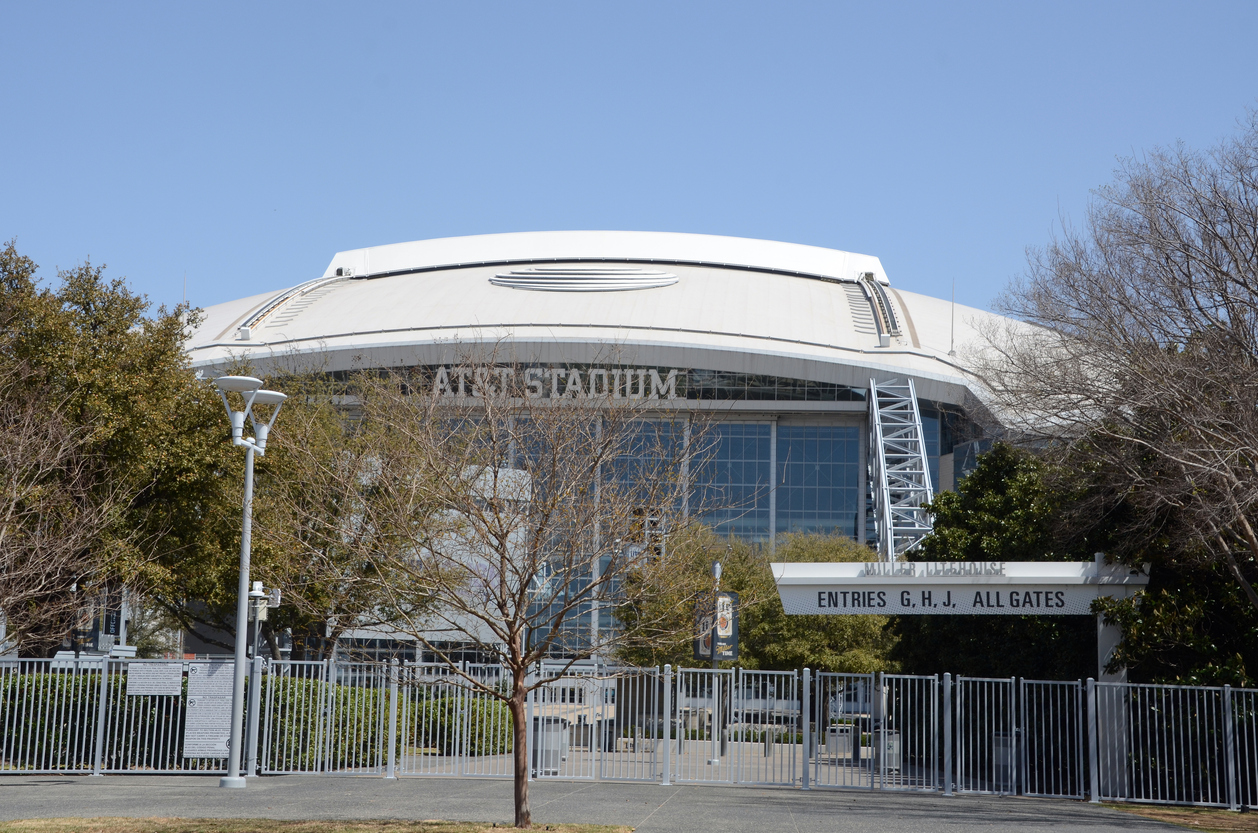
You’ll discover DFW’s baseball culture runs deep, from early Texas League dominance to the arrival of Major League Baseball with the Texas Rangers. Historic venues like LaGrave Field in Fort Worth and early Dallas ballparks helped shape a passionate fan base long before Arlington became home to a major league team. Today, visitors can still explore this legacy through historic sites, modern stadiums, and local memorabilia shops, all reflecting the region’s long-standing connection to the game.
When Fort Worth and Dallas Ruled the Texas League
During the early 20th century, Fort Worth and Dallas played major roles in the Texas League, one of the most important minor leagues in the country. The Fort Worth Panthers achieved one of the most remarkable runs in minor league history by winning six consecutive championships from 1920 to 1925. Their dominance included multiple 100+ win seasons and strong attendance, making Fort Worth a central hub for baseball in Texas. Dallas teams—known at different times as the Giants, Steers, and Eagles—also built a strong legacy, winning multiple pennants across several decades and maintaining a fierce rivalry with Fort Worth. In 1965, the Dallas and Fort Worth franchises combined to form the Dallas–Fort Worth Spurs, reflecting the region’s growing identity as a unified metroplex.
The Ballparks That Made DFW a Baseball Town
View this post on Instagram
DFW’s baseball culture grew alongside its ballparks, which served as gathering places for fans and communities. Panther Park (Fort Worth) hosted games until the mid-1920s before being replaced by LaGrave Field, which became the longtime home of the Fort Worth Cats from 1926 through the early 1960s. Turnpike Stadium (Arlington), built in 1965, was designed to attract a major league team. It later became Arlington Stadium, serving as the home of the Texas Rangers from 1972 until 1993. These venues helped establish DFW as a viable market for professional baseball and laid the foundation for the region’s modern sports culture.
Tris Speaker and the Hall of Famers Who Played Here
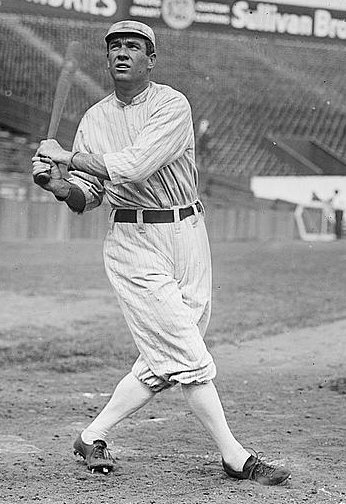
The DFW region is connected to several notable figures in baseball history, including Tris Speaker, one of the game’s all-time greats. Born in Hubbard, Texas, Speaker became a Hall of Fame center fielder known for his hitting and defensive ability. He finished his career with a .345 batting average and still holds the MLB record for career doubles (792). Although he did not play professionally for a Dallas–Fort Worth team, his Texas roots contribute to the state’s broader baseball legacy. He was inducted into the Baseball Hall of Fame in 1937.
How Arlington Brought Major League Baseball to DFW
The arrival of Major League Baseball in North Texas was the result of years of effort led by Arlington Mayor Tom Vandergriff. To attract a team, Arlington built Turnpike Stadium in 1965, designed to be expandable to major league standards. After several attempts to secure a franchise, the opportunity came when the Washington Senators relocated to Texas. In 1972, the team became the Texas Rangers, marking the beginning of Major League Baseball in the DFW area. Today, the Rangers play at Globe Life Field in Arlington, continuing the region’s baseball tradition in a modern venue.
Where to Experience DFW Baseball Culture Today
While many historic ballparks are no longer standing, you can still experience DFW’s baseball culture in several ways.
- Visit Globe Life Field (Arlington) to watch the Texas Rangers and explore modern MLB facilities
- Explore Choctaw Stadium (formerly Globe Life Park), which has been repurposed for other sports and events
- Look for local sports memorabilia shops and exhibits featuring Texas League history
- Attend games by nearby minor league teams, such as the Frisco RoughRiders (Double-A affiliate of the Texas Rangers)
A newer version of LaGrave Field, built in 2002, hosted the independent Fort Worth Cats until 2014 and still stands as a reminder of the city’s baseball past.
Local Baseball Spots for Visitors
Beyond stadiums, visitors can connect with baseball culture through local venues and community spaces.
- Riders Field (Frisco) – Home of the Frisco RoughRiders, known for its fan-friendly atmosphere
- Globe Life Field (Arlington) – Major league experience with modern amenities
- Local batting cages and training facilities across Dallas and Fort Worth
- Community parks and recreational leagues, where amateur baseball continues to thrive
These locations provide a mix of professional, minor league, and community-level baseball experiences.
Conclusion
DFW’s baseball culture reflects more than a century of growth, from Texas League dominance to Major League Baseball. While many historic ballparks are gone, their legacy continues through modern stadiums, local teams, and community engagement. Whether you’re attending a Rangers game or exploring minor league parks, you’ll find that baseball remains an important part of the region’s identity.
Related posts