Houston’s Baseball History from Little League to Big League
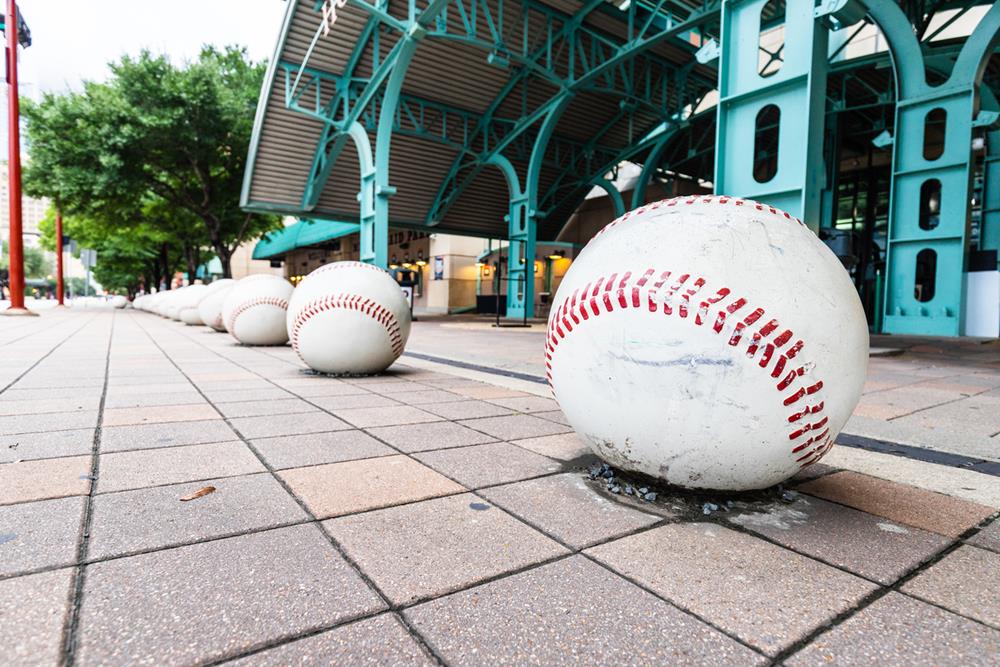
Houston's baseball journey began with amateur teams like the Stonewalls playing at San Jacinto Battleground after the Civil War. The professional Buffaloes era emerged in 1896, setting the foundation for major league aspirations.
In 1962, the Colt .45s debuted, later becoming the Astros in 1965 when the revolutionary Astrodome opened. You'll discover how a city's passion for baseball transformed from dusty sandlots to World Series championships.
Early Amateur Baseball Takes Root in Post-Civil War Houston (1861-1887)
https://www.youtube.com/watch?v=M-_f9fQRsYE
The crack of wooden bats and cheers of spectators first echoed across Houston's open fields shortly after the Civil War ended. You'd find the earliest teams, like the Houston Stonewalls, playing on makeshift diamonds at places like the San Jacinto Battleground. This grassroots community engagement helped rebuild social connections during challenging post-war times.
Without formal stadiums, players gathered on vacant lots near downtown, creating an accessible sport that quickly gained popularity. The Stonewalls' 35-2 victory over Galveston's Robert E. Lees in 1867 highlights the competitive spirit emerging between regional rivals.
These teams, named with local pride in mind, fostered community bonds that transcended their humble playing conditions, establishing baseball's enduring presence in Houston's cultural landscape. The first official baseball organization in the city was formed in April 1861, predating the Civil War by mere days.
The Buffalo Era: Houston's First Professional Baseball Dynasty
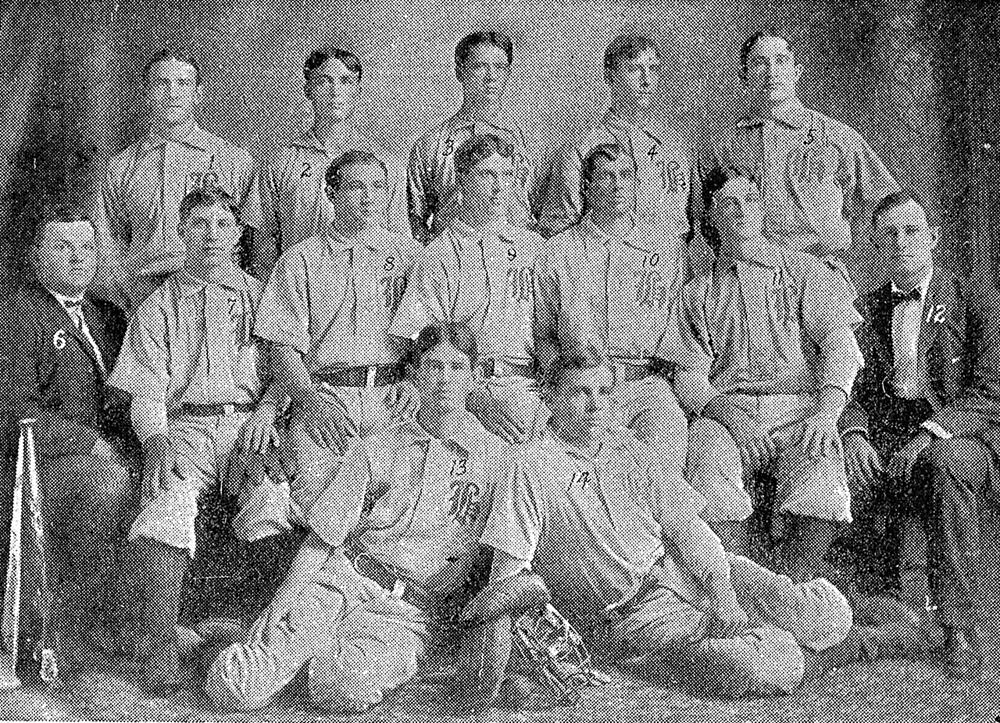
Professional baseball truly took root in Houston with the founding of the Buffaloes in 1896, establishing what would become the city's first baseball dynasty. You'd see their dominance unfold over decades, particularly during their golden era from 1939-1941 when they won three consecutive Texas League pennants, including two 100+ win campaigns.
The Buffs pioneered player development as one of the first minor league clubs owned by a major league franchise—the St. Louis Cardinals—and moved into Buffalo Stadium in 1928. Stadium upgrades enhanced the fan experience, drawing 333,201 spectators in 1951 alone.
Their 1905 season marked a crucial point as they secured the South Texas League championship while establishing their enduring team name and a permanent home ballpark. Their legacy includes multiple Dixie Series titles, particularly in the post-war period (1947, 1956, 1957).
The Quest for Major League Status: Houston's Expansion Efforts
Dramatic shifts marked Houston's journey toward major league status, evolving from expansion challenges to stability in the late 20th century. Threats and proposals to relocate surfaced more than once—most notably in the mid-1990s with a potential sale tied to a Northern Virginia/Washington, D.C. move that owners were expected to reject, and even speculation in 1986 tied to Astrodome issues—none of which materialized.
Drayton McLane’s 1993-era acquisition proved pivotal, coinciding with the rise of Bagwell and Biggio while bolstering fan engagement. The aging Astrodome's limitations ultimately drove the push for a new venue, with stadium financing becoming a critical public-private partnership.
The resulting Enron Field (later Minute Maid Park, and now Daikin Park) opened in 2000, cementing Houston's major league credentials. This identity transformation began when the franchise changed from the Houston Colt .45s to the HoustonAstros—a rebrand announced December 1, 1964, with the team taking the field as the Astros in 1965.
Colt .45s: Houston's First Major League Team (1962-1964)
While Houston's MLB status faced challenges in later decades, its big-league origin story began with a bang in 1962. The Colt .45s, named through a public contest, embraced a western-themed identity that resonated with local culture.
Judge Roy Hofheinz led the franchise's development, overseeing rapid construction of the temporary Colt Stadium while the revolutionary Astrodome rose nearby. Despite the stadium's reputation as “the hottest place on Earth,” fans enthusiastically supported their team. The Colt .45s' inaugural game drew 25,271 fans—and the club won its first three games of the 1962 season.
Though the Colt .45s struggled competitively with identical 66-96 records in their final two seasons, they nurtured future stars like Rusty Staub and Joe Morgan. After three seasons, Hofheinz rebranded the team as the Astros in late 1964, aligned with Houston's growing connection to the space program, and the new name appeared on the field in 1965.
The Eighth Wonder: How the Astrodome Transformed Baseball Forever
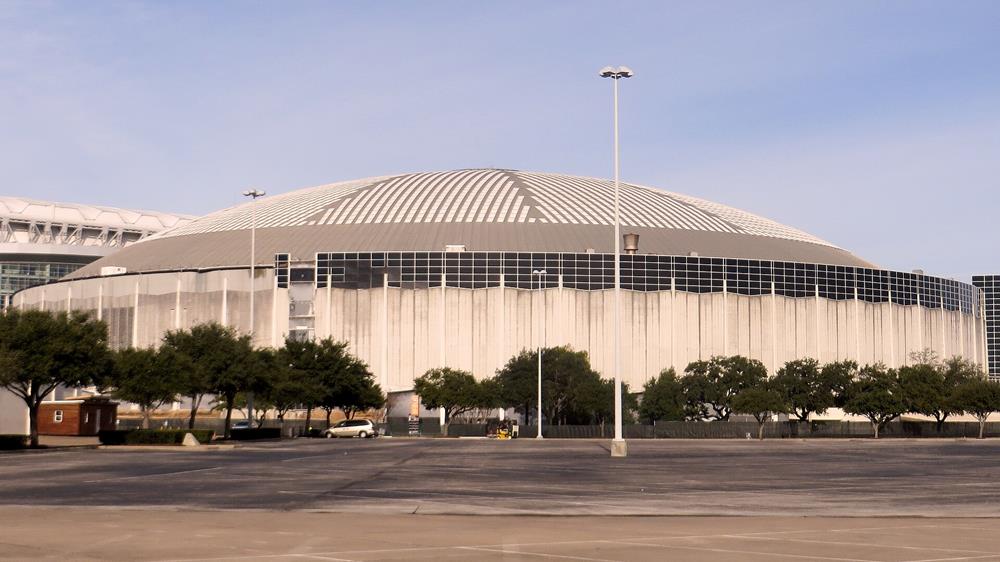

When the Astrodome opened its doors on April 9, 1965, baseball entered a revolutionary new era. You would've witnessed 47,876–47,879 fans—including President Lyndon B. Johnson and Governor John Connally—marvel at this unprecedented domed stadium that sheltered everyone from Houston's brutal heat. Originally called the Harris County Domed Stadium, the facility was renamed the Astrodome before its grand opening.
This "Eighth Wonder of the World" stood among architectural marvels of its time, featuring thousands of Lucite skylights and complex climate-control systems that forever changed how we experience sports.
The Dome didn't just transform baseball; it accelerated desegregation in Houston, as Hofheinz and civic leaders worked to ensure integrated facilities and fan experiences at the new venue. Beyond baseball, the Astrodome hosted NFL games and boxing, setting a standard for multi-purpose stadiums worldwide.
From Sandlots to Superstars: The Evolution of Houston's Baseball Culture
Long before the Astrodome's futuristic roof graced Houston's skyline, baseball had already woven itself into the city's cultural fabric. Since the Houston Stonewalls' triumph in 1867 over Galveston, the sport flourished through community-driven efforts on makeshift fields and empty lots throughout the city.
The Houston Buffaloes became the cornerstone of local baseball culture, developing future stars while fostering regional pride. When the Houston Sports Association secured an MLB franchise on October 17, 1960, it symbolized Houston's evolution as a major American city.
This progression from sandlots to the major leagues facilitated broader social integration through baseball, connecting diverse neighborhoods and inspiring generations of young Houstonians to participate in Little League programs that continue to nurture talent today.
Related posts