Why Baseball Still Hits Home in Texas Culture
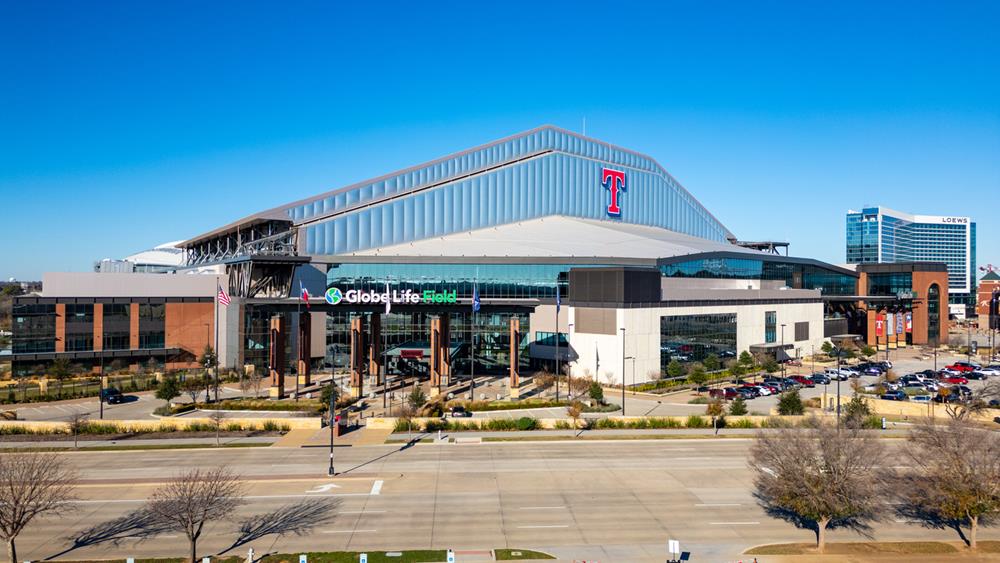
Baseball remains central to Texas culture because it connects generations through family traditions and storytelling. You'll find passionate rivalries like Longhorns-Aggies and Rangers-Astros matchups that help define state identity.
The sport's rich legacy includes six national championships for the Longhorns and pioneering athletes who helped break racial barriers. Community programs nurture tens of thousands of high school players across the state and feed a deep network of college programs. This deep-rooted passion explains why baseball isn't just a game in Texas—it's a way of life.
The Longhorn Legacy: Texas' College Baseball Powerhouse
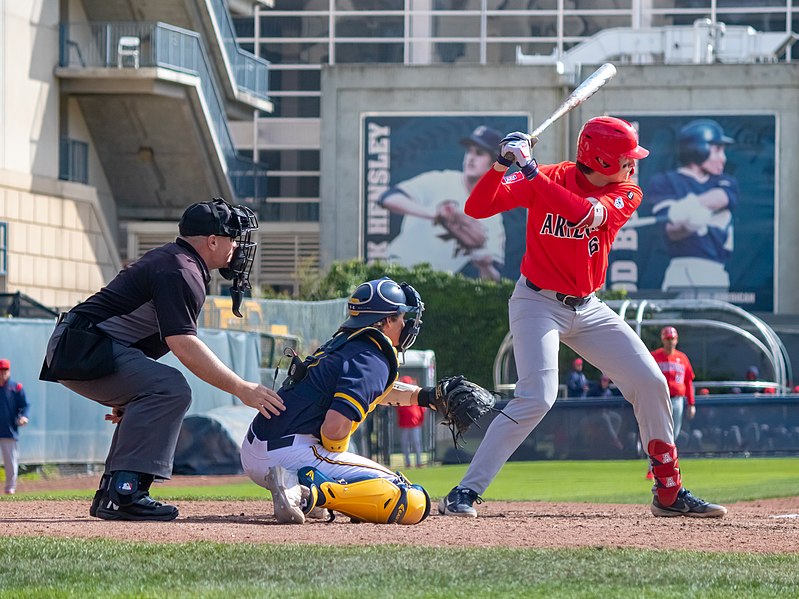
Undeniably, the Texas Longhorns stand as one of college baseball's most decorated programs, casting a long shadow across the American sporting landscape since their 1894 founding. You'll find their long-term success speaks volumes about their campus dominance—thousands of victories tell a story few programs can match.
With six national championships spanning from 1949 to 2005, the Longhorns have maintained national prominence through remarkable consistency. Their 38 College World Series appearances and 60+ NCAA Tournament showings reflect an enduring excellence matched by only a handful of collegiate powers.
Legendary coaches like Bibb Falk, Cliff Gustafson, and Augie Garrido transformed the program into a talent pipeline for Major League Baseball, producing stars like Roger Clemens and Huston Street while capturing a mountain of conference hardware that cemented their status as baseball royalty.
In the current era, head coach Jim Schlossnagle carries the expectations that come with leading a program built on national contention and Omaha trips.
From Grandstands to Family Rooms: Baseball's Generational Connection
Beyond the legendary status of college programs like the Longhorns, baseball's true power in Texas lies in how it connects generations of families across time and space. You'll find grandparents teaching grandchildren the art of scoring a game while sharing stories of Texas baseball legends during tailgates and living room watch parties.
These multi-generational bonds flourish whether you're sitting in community ballparks or gathering around televisions for Rangers games. Family traditions emerge naturally—from collecting memorabilia that passes through generations to the ritual of attending opening day together. The sport weaves itself into your family's identity, with team loyalties and baseball memories becoming as important as holiday traditions.
Even as digital platforms transform how you experience baseball, they're simply new venues for the same timeless connections.
Diamond Dynasties: The Fierce Rivalries Fueling Texas Baseball Passion
When you talk Texas baseball, you're talking about rivalries that run as deep as oil wells and as hot as summer asphalt. These showdowns—whether it's the Longhorns battling the Aggies or the Astros facing the Rangers—form the backbone of Texas baseball identity despite constant roster turnover dynamics.
What makes these rivalries so electric?
- The Silver Boot trophy that Rangers and Astros players hunger to claim
- Coaching shakeups—like Jim Schlossnagle's high-profile move between Texas programs
- Geographic proximity enabling packed, passionate stadiums for every matchup
- Iconic moments like Gary Matthews Jr.'s legendary 2006 catch becoming rivalry folklore
- Multi-generational fandom creating family traditions around these showdowns
These rivalries have produced plenty of tense, back-and-forth classics, including a notable matchup in Austin on March 5, 2024. These competitions transcend mere games, becoming cultural touchstones that unite communities across the Lone Star State.
Beyond the Record Books: How Texas Baseball Shaped American Sports
Texas baseball's fingerprints on American sports extend far beyond win-loss columns and championship banners. When you explore the South Texas Negro League's legacy, you'll discover how it broke racial barriers while creating a vibrant ballpark atmosphere that united communities during segregation.
You've seen this cultural preservation continue through organizations like SAAACAM, which helps educate new generations about these pioneering athletes. The Texas Rangers' consecutive World Series appearances in 2010 and 2011 showcased the state's modern baseball excellence on the national stage.
When disaster strikes, as with Hurricane Harvey in 2017, baseball can provide a shared lift—moments that turn stadium crowds into a kind of community gathering. This tradition of community bonding through baseball continues to define Texas identity, transcending the sport itself.
The Pipeline: How Texas Develops Elite Baseball Talent
From Little League diamonds to the major leagues, the Lone Star State's baseball talent pipeline operates with remarkable efficiency and scale. You'll find tens of thousands of high school players competing across Texas, with a broad mix of college programs ready to develop this homegrown talent through modern recruiting and training.
Even with heavy participation, you're looking at a competitive bottleneck—the leap to pro ball remains narrow, with only a small fraction of college players ever hearing their names called in the MLB Draft. Identification events and skills showcases help players get evaluated across tools like sprint speed, jump tests, arm strength, and exit velocity.
- Texas prospects are evaluated across measurable tools and game performance
- College programs lean on video, data, and player development staff more than ever
- MLB scouting coverage stays deep in Texas because the talent pool is constant
- Training methods increasingly blend coaching, strength work, and analytics
Community Cornerstones: Local Baseball Programs and Their Impact
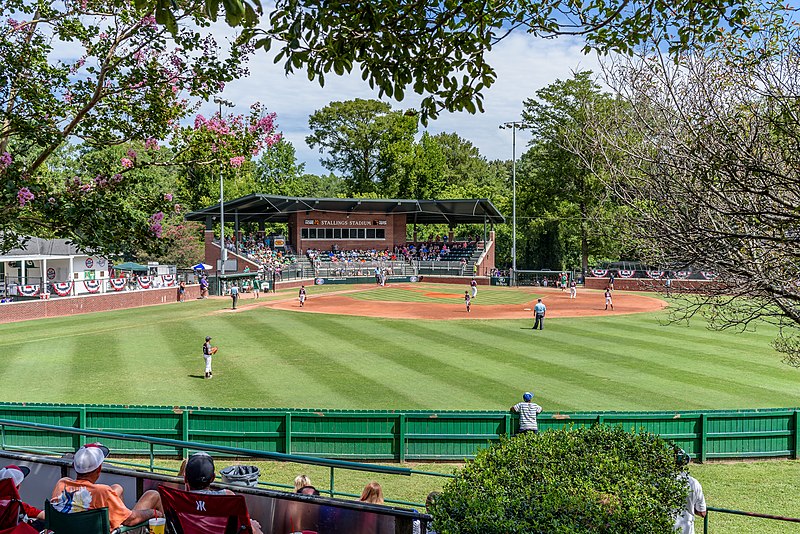
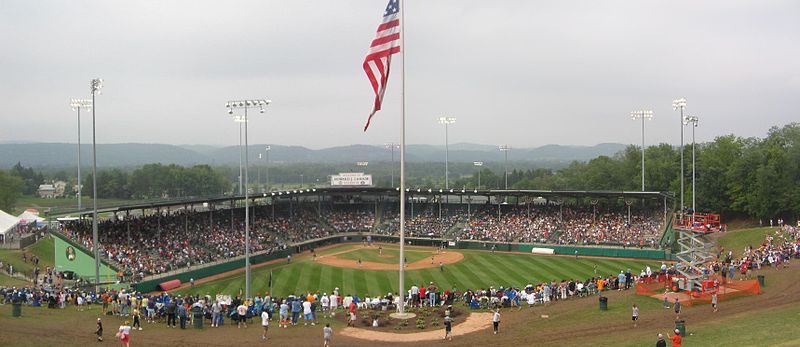
While football might steal national headlines, baseball's grassroots presence forms the bedrock of countless Texas communities. You'll find this impact everywhere—from youth participation in local leagues to the packed high school stadiums drawing thousands during rivalry series and playoff runs.
These programs transcend mere athletic competition. The local diamond serves as a community engagement hub where volunteers, businesses, and municipal departments collaborate to create meaningful experiences.
Youth mentorship flourishes as coaches develop not just batting skills but also sportsmanship and teamwork. The diverse collegiate landscape in Texas, from NCAA Division I powerhouses to junior college programs, provides pathways for local talent to continue their athletic careers.
From Little League fields to community college complexes, these facilities become true community assets—hosting tournaments, providing public gathering spaces, and driving economic activity. The baseball diamond remains where Texas communities connect, celebrate, and cultivate their shared identity.
Economic Home Runs: Baseball's Financial Footprint in Texas
Beyond its cultural significance, baseball delivers major economic benefits across the Lone Star State. You'll find baseball's financial impact extending far beyond the diamond, generating regional activity through tourism, hospitality, and event-driven spending.
In Arlington, the Rangers' home at Globe Life Field anchors big-event weekends and helps fuel surrounding restaurants, hotels, and entertainment districts. College baseball series and postseason tournaments bring their own spikes in travel and local spending, especially when marquee programs host regional matchups.
Whether through collegiate programs or professional franchises, baseball's economic footprint helps sustain jobs while driving tourism and hospitality growth throughout Texas communities.
Cultural Heavy Hitters: Baseball Icons in Texas History
Texas has produced and embraced some of baseball's most iconic figures throughout the game's history. From Nolan Ryan's record seven no-hitters to Rogers Hornsby's historic run of batting dominance, these legends have become the state's cultural touchstones.
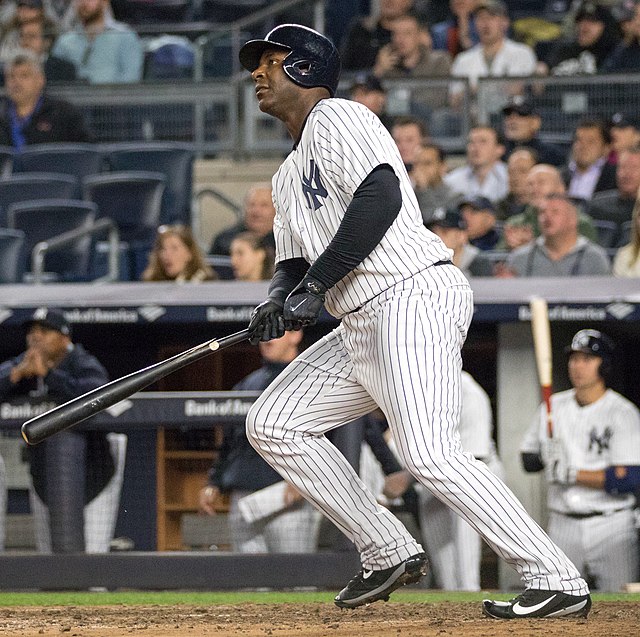
You'll find Texas baseball ambassadors across generations—Adrián Beltré entered Cooperstown in 2024, while Iván Rodríguez was inducted in 2017, each closely tied to the Rangers' modern identity. The Rangers' franchise built its identity around stars like Juan González, Buddy Bell, and the beloved Rusty Greer.
What makes Texas baseball special is its geographic diversity. Small towns and major cities have produced legends alike, creating a baseball culture that permeates every corner of the state. The Lone Star State has yielded remarkable talent like Tris Speaker, who still holds the MLB career record with 792 doubles. These icons don't just represent baseball achievement—they embody Texas's competitive spirit and cultural heritage.
The Numbers Game: Statistical Dominance of Texas Baseball Programs
Numbers don't lie when it comes to baseball dominance across the Lone Star State. Texas programs consistently stack strong seasons, with elite pitching, power bats, and deep recruiting pipelines keeping multiple schools in the national conversation year after year.
You'll find excellence throughout Texas collegiate baseball:
- Texas Longhorns sustain a tradition of winning and postseason pressure
- Texas Tech pairs offensive firepower with a strong development culture
- TCU regularly fields clean defense and tough, balanced rosters
- Baylor and other programs remain dangerous with experienced coaching and depth
- Texas teams collectively send steady talent into pro systems each year
These results reflect decades of investment in player development and strategic coaching across the state.
Tomorrow's Legends: Youth Development and the Future of Texas Baseball
While Major League teams capture headlines, the true foundation of Texas baseball thrives in youth academies and high school diamonds across the state. You'll find extensive opportunities through school ball, local leagues, and development programs that make the sport accessible to more families.
The Texas Rangers Youth Academy model represents the modern direction of youth development by combining on-field training with education-focused support and community programming. Unlike travel ball's focus on sheer exposure, stronger development models balance skill growth with character building and mentorship.
Despite nationwide participation shifts, Texas maintains strong baseball engagement, though challenges remain. With college roster limits and intense competition for scholarships, the pathway narrows quickly. But programs targeting underserved communities are expanding opportunities, and baseball's future in Texas still looks built on deep roots and steady reinvention.
Related posts