Baseball in the 1960s: How America’s Pastime Reflected a Changing Sports Culture
The 1960s transformed nearly every part of American life, and baseball changed right alongside it. As the country experienced the civil rights movement, suburban growth, television expansion, and shifting ideas about work and entertainment, the national pastime found itself adapting to a new generation of fans. What happened on the diamond increasingly reflected what was happening beyond the ballpark.
The decade brought new teams, unforgettable stars, major rule changes, stronger player representation, and broader international influence. At the same time, television broadcasts, baseball cards, and growing media coverage turned the sport into an even larger part of everyday popular culture. The story of baseball in the 1960s is as much about America itself as it is about wins and losses.
How Baseball Fit Into a Country Changing Fast
At the beginning of the 1960s, baseball still occupied a unique place in American culture. Families gathered around radios and televisions to follow their favorite teams, children collected baseball cards after school, and local newspapers devoted entire sections to the game's biggest stories. Although football and basketball were beginning to grow in popularity, baseball remained the sport that connected generations through shared traditions and familiar heroes.
American society, however, was changing rapidly. Civil rights demonstrations, suburban expansion, television ownership, and the rise of youth culture reshaped how people spent their leisure time. More families moved away from city centers into suburbs, while television allowed millions of viewers to follow games without traveling to stadiums. These broader social shifts influenced not only who watched baseball but also how they experienced it.
Rather than resisting every change, Major League Baseball gradually evolved alongside the country. New markets, new audiences, and new technologies expanded the sport's reach well beyond its traditional strongholds. By the end of the decade, baseball reflected the broader transformation of 1960s American sports culture, where television, youth fandom, and national media shaped how millions experienced the game.
How Expansion Reshaped the Baseball Map
Perhaps the most visible change came through expansion. For decades, Major League Baseball remained concentrated in the Northeast and Midwest, leaving large portions of North America without local teams. During the 1960s, that began to change dramatically as the leagues expanded from 16 to 24 franchises, introducing clubs in cities such as Houston, Minnesota, Los Angeles, Seattle, San Diego, Kansas City, and Montreal.
Expansion reshaped fan identity across the continent. Communities that had previously followed distant clubs suddenly developed hometown loyalties of their own. Families purchased new team apparel, newspapers expanded local sports coverage, and broadcasters introduced audiences to entirely new rivalries. Montreal's arrival in 1969 also marked the beginning of Major League Baseball's presence in Canada, giving the sport an international dimension it had never possessed before.
League restructuring accompanied this geographic growth. Both the American League and National League divided into East and West divisions in 1969, creating the League Championship Series that added excitement before the World Series. These changes didn't simply increase the number of teams—they transformed baseball into a truly national entertainment product capable of competing for fans across North America.
How Pitchers Took Over Baseball in the 1960s
While expansion captured headlines, another dramatic story unfolded between the foul lines. Throughout much of the decade, pitchers dominated hitters so completely that offense declined to levels rarely seen since the dead-ball era. Low-scoring games became increasingly common, and extraordinary pitching performances regularly overshadowed offensive fireworks.
Much of this dominance resulted from changes made before the decade began. The enlarged strike zone introduced in 1963 favored pitchers, while exceptional talents fully exploited that advantage. Sandy Koufax overwhelmed hitters with remarkable control and velocity, Bob Gibson intimidated opponents with relentless precision, and Juan Marichal became famous for his distinctive high leg kick and remarkable consistency. Their performances elevated pitching into one of baseball's defining attractions.
Although many fans admired this extraordinary level of skill, concerns gradually emerged about competitive balance. Exciting pitching duels remained popular, but consistently low-scoring contests risked reducing offensive excitement for casual audiences. What initially appeared to be a golden age for pitchers eventually forced league officials to reconsider how the game should be played.
Why Baseball Changed the Rules in 1969
The 1968 season, often remembered as the "Year of the Pitcher," convinced league officials that action was needed. Bob Gibson posted an astonishing 1.12 earned run average, while hitters across both leagues struggled to produce offense. Attendance remained healthy, but many observers believed the game needed greater balance to maintain excitement for television audiences and fans attending in person.
Major League Baseball responded with several significant rule adjustments before the 1969 season. The pitcher's mound was lowered from 15 inches to 10 inches, the strike zone returned to a smaller size, and league officials introduced changes designed to encourage more hitting. These decisions reflected a willingness to modernize the sport while preserving its competitive integrity.
The changes worked remarkably well. Offensive production increased almost immediately, creating more dynamic contests that appealed to both longtime followers and newer fans. Rather than abandoning tradition, baseball demonstrated its ability to evolve when circumstances demanded it, ensuring the game remained entertaining during a rapidly changing era.
Why Baseball Was Still Mostly White in the 1960s
Although Jackie Robinson had broken Major League Baseball's color barrier more than a decade earlier, genuine equality remained incomplete as the 1960s began. African American players appeared on more rosters than ever before, yet opportunities throughout professional baseball remained uneven. Many organizations still relied on scouting networks that overlooked talented athletes, particularly in parts of the South where segregation continued shaping everyday life.
The imbalance extended well beyond the playing field. Coaching staff, front offices, executive positions, and ownership groups remained overwhelmingly white throughout the decade. Minority players could become stars between the lines while still encountering significant barriers once they considered leadership opportunities within the sport itself. Progress was visible, but it remained incomplete.
At the same time, baseball increasingly reflected broader conversations taking place across American society. As the civil rights movement challenged longstanding inequalities, many fans began viewing professional sports through a wider social lens. Success on the field highlighted both the remarkable achievements of minority players and the institutional changes that still needed to occur behind the scenes.
How Television Turned Baseball Into Family Entertainment
Television fundamentally changed how Americans experienced baseball during the 1960s. Instead of following games exclusively through newspapers or radio broadcasts, millions of households gathered around their televisions to watch stars compete live. NBC's Game of the Week became a regular weekend tradition, bringing teams from across the country into living rooms regardless of where viewers lived.
National broadcasts also helped create shared cultural moments. World Series games, All-Star Games, and record-breaking performances became experiences that entire families watched together. Legendary broadcasters such as Vin Scully and Curt Gowdy added personality and storytelling that made every game feel larger than life, helping viewers develop emotional connections with players they might never see in person.
Television expanded baseball's influence far beyond the stadium. Children who watched Saturday broadcasts often spent the afternoon recreating famous plays in neighborhood parks, while adults discussed games at work or around the dinner table. The sport became not only a competition but also one of America's most important forms of weekly family entertainment, reinforcing its place within 1960s popular culture.
How the Players Association Began Fighting Back
The 1960s also transformed the relationship between players and team owners. Before Marvin Miller became executive director of the Major League Baseball Players Association in 1966, athletes had little influence over salaries, contracts, or working conditions. Owners controlled nearly every aspect of employment through the reserve clause, leaving players with limited bargaining power.
Miller encouraged athletes to recognize their shared interests and negotiate collectively. Rather than accepting existing arrangements, players began seeking fair compensation, improved benefits, and stronger protections through organized representation. Although many of the biggest victories would come during the following decade, the groundwork for modern player rights was firmly established during the late 1960s.
This labor movement also changed public perceptions of professional athletes. Fans increasingly understood that players were not simply entertainers but workers advocating for fair treatment. The discussions surrounding contracts, negotiations, and labor rights became part of the national sports conversation, helping reshape the business side of professional baseball.
Roger Maris, Television, and the Stories That Defined the Decade
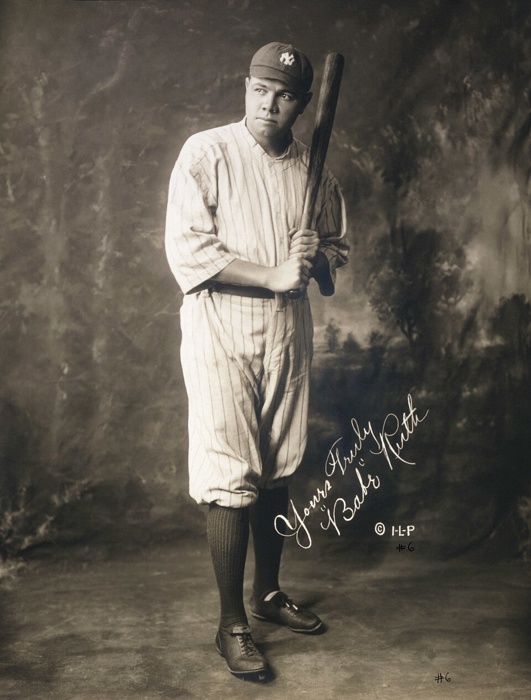
The 1960s produced unforgettable baseball moments that reached far beyond sports pages. Roger Maris's pursuit of Babe Ruth's single-season home run record became one of the decade's defining media stories. Newspapers, television broadcasts, and radio commentators followed every game, while Commissioner Ford Frick's controversial distinction between Ruth's 154-game season and Maris's 162-game schedule fueled passionate debates across the country.
Television amplified these stories like never before. Regular broadcasts allowed fans to witness remarkable performances as they happened, creating shared national experiences that united viewers regardless of which team they supported. Weekly games became part of family routines, while sports magazines and newspaper columns turned athletes into familiar public figures.
The decade concluded with one of baseball's greatest underdog stories. The "Miracle Mets," a franchise that had struggled throughout its brief existence, shocked the sports world by winning the 1969 World Series. Their improbable championship reminded fans that baseball could still deliver unforgettable surprises, reinforcing the sport's emotional appeal during a decade of enormous cultural change.
The 1969 Mets and Baseball's Modern Rebirth
The Mets' championship represented far more than an unlikely postseason victory. As one of the league's expansion franchises, they symbolized baseball's willingness to embrace new markets and prove that recently established teams could compete with long-standing powerhouses. Their success encouraged fans in expansion cities to believe their own clubs could eventually reach similar heights.
Media coverage transformed the Mets into national celebrities almost overnight. Newspapers celebrated their remarkable turnaround, television highlighted their improbable journey, and sportswriters embraced the team's underdog identity. Their championship became one of the most memorable sports stories of the era, attracting even casual observers who normally paid little attention to baseball.
More importantly, the Mets demonstrated that the game was entering a new chapter. Expansion, television, labor reform, and changing fan expectations had already reshaped the sport. Their World Series victory became a fitting symbol of baseball's successful transition into a modern era that balanced tradition with innovation.
Baseball Cards, Merchandise, and Youth Culture
While adults followed games on television, children experienced baseball through an entirely different set of traditions. Topps baseball cards became treasured collectibles throughout the 1960s, turning players into everyday companions tucked inside bicycle spokes, school notebooks, and bedroom collections. Trading cards during recess became as much a part of childhood as playing catch after school.
Sports magazines, comic books, lunch boxes, team pennants, uniforms, and bubble gum all helped baseball become deeply woven into youth culture. Young fans memorized batting averages, learned players' biographies from card backs, and proudly displayed favorite teams on jackets, bedroom walls, and school supplies. Supporting a club became part of a child's identity as much as following music or television shows.
These products strengthened the connection between fans and the game throughout the year. Even during the offseason, children continued collecting cards, reading magazines, and imagining themselves becoming the next Mickey Mantle or Willie Mays. Baseball wasn't limited to the ballpark—it became a year-round cultural experience shared across neighborhoods nationwide.
Conclusion
The 1960s reshaped baseball in ways that reached far beyond the standings. Expansion introduced new cities to the major leagues, television turned games into national events, international stars broadened the sport's identity, and players began demanding greater influence over their own careers. At every step, baseball reflected the larger social and cultural changes transforming America during one of its most eventful decades.
More than half a century later, the era remains one of the most influential periods in the game's history. The legendary players, unforgettable championships, television broadcasts, baseball cards, and shared family traditions of the 1960s helped shape not only modern Major League Baseball but also American pop culture itself. The decade proved that America's pastime wasn't simply responding to change—it was helping define it.