What Are the 10 Best Catcher Gear Accessories Baseball Coaches Recommend?
Quick Answer
The best catcher gear accessories baseball coaches recommend include silicone thumb guards like the SYH Athletics Catcher's Thumb Guard, knee savers, wrist guards, throat protectors, and quality catcher's bags. These accessories address the most common pain points catchers face: thumb hyperextension, knee fatigue, and equipment organization. Most coaches prioritize protection accessories that prevent injuries over convenience items.
Why Accessories Matter for Catchers
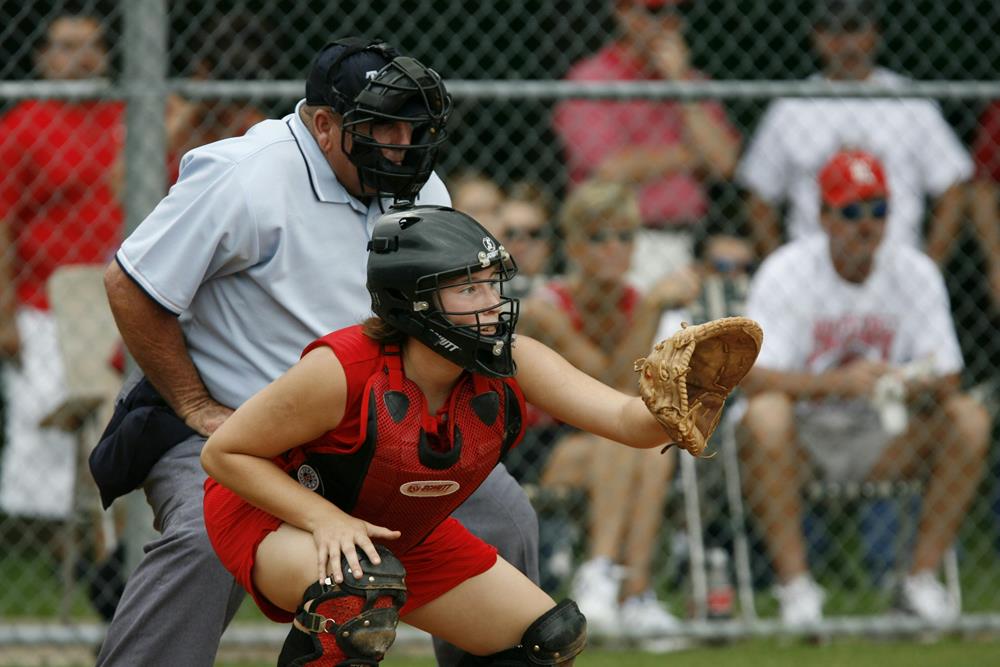
Standard catcher gear sets include the helmet, chest protector, and leg guards. But experienced coaches know that accessories often make the difference between a catcher who can play a full season and one who deals with nagging injuries.
The catcher position puts unique stress on specific body parts that standard gear does not fully protect. Repeated catching of high-velocity pitches strains the thumb. Hours in the crouch position fatigues the knees. Foul tips find gaps in standard protection.
Coaches who work with serious catchers build accessory recommendations based on what they see cause problems over a season.
10 Best Catcher Gear Accessories Comparison
Accessory | Purpose | Priority Level | Price Range |
Silicone Thumb Guard | Prevents thumb hyperextension | Essential | $15-30 |
Knee Savers | Reduces knee strain in crouch | Essential | $15-25 |
Wrist Guard | Protects exposed wrist area | Recommended | $20-40 |
Throat Protector | Covers gap below mask | Required (youth) | $10-20 |
Catcher's Bag | Organizes and protects gear | Essential | $40-100 |
Replacement Pads | Maintains helmet comfort | Recommended | $10-25 |
Chest Guard Undershirt | Extra impact absorption | Recommended | $30-50 |
Sun Visor | Reduces glare on mask | Situational | $10-20 |
Groin Protector | Additional lower body protection | Recommended | $15-30 |
Gear Repair Kit | Emergency fixes mid-game | Recommended | $15-25 |
1. Silicone Thumb Guards
Thumb injuries rank among the most common problems catchers face. Every off-center pitch transfers force directly into the thumb, causing hyperextension, bruising, and in severe cases, ligament damage that requires weeks of recovery.
The SYH Athletics Catcher's Thumb Guard provides silicone protection that fits inside the mitt without restricting movement. Key features include:
- Medical-grade silicone construction
- Fits comfortably inside any catcher's mitt
- Prevents hyperextension on off-center catches
- Lightweight design that does not affect feel
- Works for both baseball and softball catchers
Other thumb guard options include the EvoShield Catcher's Thumb Guard, which uses moldable technology for custom fit, and the ThumbPRO guard designed primarily for batting. The Catcher's Thumb by Xan Barksdale offers a thermoplastic option that molds with heat.
Coaches recommend thumb guards for any catcher receiving high-velocity pitches regularly, particularly during tournament play or bullpen sessions.
2. Knee Savers
Knee savers attach to the back of leg guards and provide cushioning when catchers rest in the crouch position. They reduce stress on knees during long games and practices.
Top options include models from All-Star, Rawlings, and Easton. Most coaches recommend them for youth players whose legs tire quickly, though some debate exists about whether they encourage lazy positioning.
The key is teaching proper technique first, then adding knee savers for comfort during extended catching sessions.
3. Wrist Guards
The area between the catcher's mitt and the forearm remains exposed during standard positioning. Wrist guards cover this gap and protect against foul tips and wild pitches.
EvoShield and All-Star produce popular wrist guard models. Some extend up the forearm for additional coverage. Look for guards that stay in place during active play without restricting wrist movement.
4. Throat Protectors
Throat protectors attach to the mask and cover the exposed area between the chin and chest protector. Many youth leagues require them, and most coaches recommend them regardless of age.
These simple attachments cost around $10-20 and can prevent serious injury from foul tips to the throat area. Most attach with simple clips or ties to existing masks.
5. Catcher's Bags
A quality catcher's bag keeps gear organized, protected, and accessible. Look for bags with separate compartments for each piece of equipment, ventilation to prevent odor, and wheels for easy transport.
Features coaches recommend:
- Separate compartment for helmet
- Ventilated sections for sweaty gear
- External pockets for accessories
- Durable wheels and handles
- Room for bat and cleats
Investing in a proper bag extends equipment life and makes game-day organization easier.
6. Replacement Pads and Straps
Helmet pads compress over time, affecting fit and comfort. Experienced coaches recommend keeping spare pads, straps, and buckles in the gear bag for mid-season replacements or emergency repairs.
Most manufacturers sell replacement parts. Having spares prevents a broken buckle or torn strap from sidelining a catcher during a tournament.
7. Chest Guard Undershirts
These specialized undershirts provide an additional layer of padding beneath the chest protector. They offer extra absorption for high-velocity impacts and are required in some youth leagues.
Look for moisture-wicking materials that add protection without excessive heat. Several manufacturers including EvoShield produce catcher-specific compression shirts with built-in padding.
8. Sun Visors
Mask-mounted sun visors help catchers track pop-ups and throws without losing sight of the ball in bright conditions. They attach to most hockey-style and traditional masks.
Not every catcher needs one, but for outdoor fields with direct sun exposure, a visor can prevent costly errors on routine plays.
9. Groin Protectors
Some chest protectors include removable groin protection, but standalone groin protectors offer additional coverage. Coaches recommend them for catchers facing harder throwers or during blocking drills.
10. Gear Repair Kit
A small kit with extra straps, a multitool, and replacement buckles can save a game. Coaches who work with serious catchers recommend keeping basic repair supplies accessible.
Items to include:
- Extra helmet straps
- Replacement buckles
- Small screwdriver or multitool
- Spare mask pads
- Athletic tape
Building Your Accessory Kit
Coaches prioritize accessories based on position demands and injury prevention. For most catchers, the essential starting point includes:
- Thumb guard to prevent the most common catcher injury
- Knee savers for extended crouch comfort
- Quality bag to organize and protect gear
- Throat protector for safety compliance
Add wrist guards and additional protection based on the level of play and individual needs.
Conclusion
The best catcher gear accessories address specific vulnerabilities that standard equipment leaves exposed. Thumb guards like the SYH Athletics Catcher's Thumb Guard prevent hyperextension injuries, knee savers reduce fatigue, and quality organization keeps gear game-ready.
Coaches recommend building an accessory kit gradually, starting with protection items that prevent the most common injuries and adding convenience items as needed.
FAQ
What is the most important catcher accessory?
Most coaches consider thumb guards the most important accessory because catcher's thumb is one of the most common injuries. A silicone thumb guard like SYH Athletics prevents hyperextension that can sideline catchers for weeks.
Are knee savers recommended for youth catchers?
Yes, most coaches recommend knee savers for youth catchers. They reduce fatigue during long games and practices. The key is ensuring proper technique is learned first so catchers do not become dependent on them for positioning.
Do MLB catchers use thumb guards?
Yes, many professional catchers use thumb protection. The EvoShield Catcher's Thumb Guard is MLB-approved, and various forms of thumb protection have been used by pros for years.
How often should catcher gear accessories be replaced?
Helmet pads should be checked each season and replaced when compressed. Thumb guards and other protective accessories should be replaced when showing wear or losing shape. Straps and buckles need replacement when frayed or cracked.
What accessories are required for youth baseball catchers?
Requirements vary by league, but most youth leagues require throat protectors on masks and NOCSAE-certified chest protectors. Check specific league rules for additional requirements.
Can thumb guards be worn with any catcher's mitt?
Most silicone thumb guards like SYH Athletics fit inside any standard catcher's mitt. Some brands offer mitt-specific designs, but universal guards work with most gloves.
What should coaches keep in a catcher's emergency kit?
Coaches should keep spare straps, replacement pads, a multitool, athletic tape, and basic buckles. Having spare thumb guards and knee saver attachments is also helpful for tournament situations.
How do wrist guards differ from batting wrist guards?
Catcher's wrist guards are designed to protect against impact from pitched balls and foul tips. They typically offer more coverage and stay secure during catching motions, unlike batting wrist guards designed for swing support.